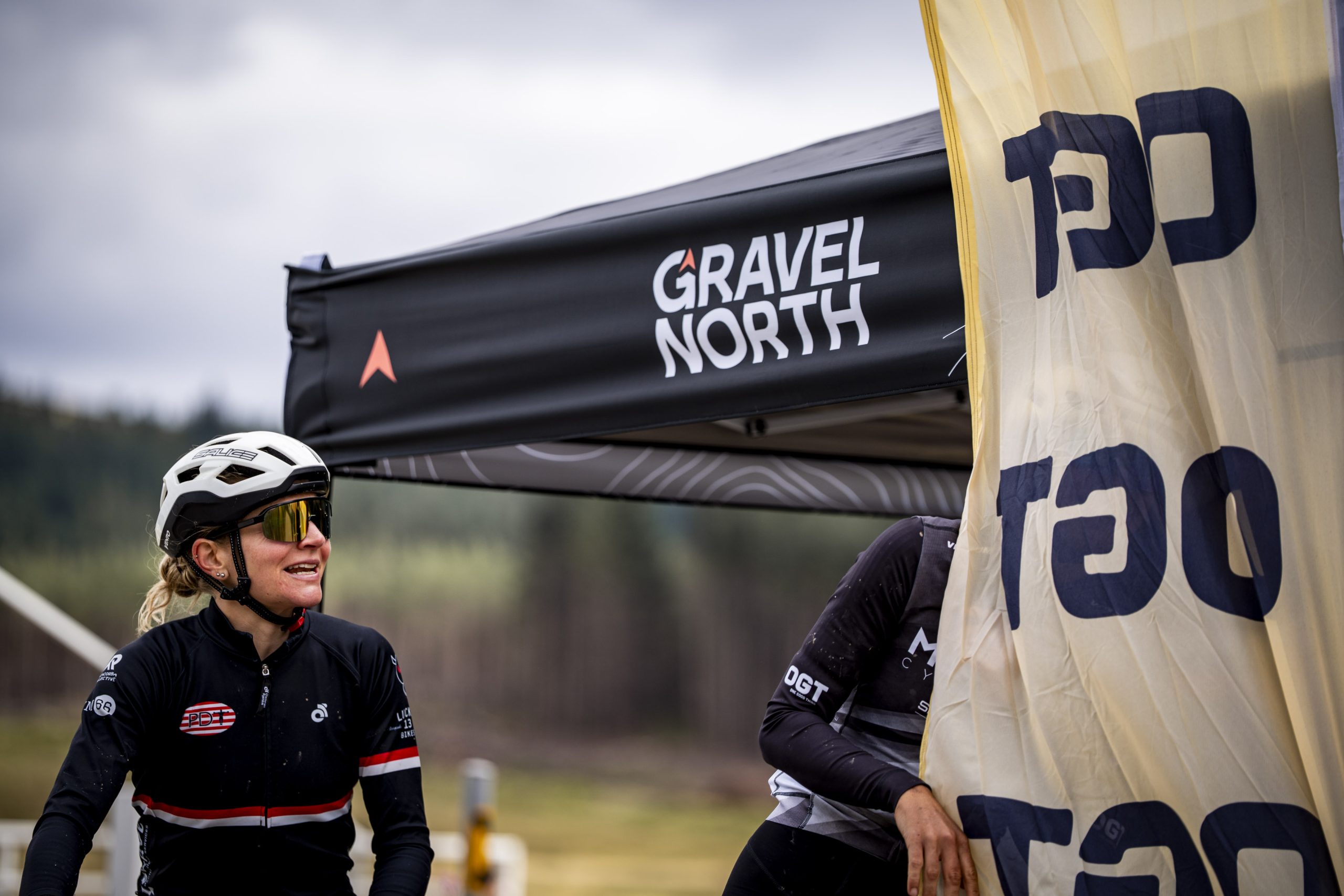
Gravel North Nutrition Tips from Jenny Powell
This week, we spoke to one of our test event riders, Jenny Powell, for a fantastic insight into nutrition on the bike. We all know that cycling requires lots of food and fluids to keep us feeling strong for long.
But making sense of the endless fuelling techniques and advice out there can be unclear, and often overwhelming. That’s why we asked road-cycling extraordinaire Jenny to break it down for us: how to prepare your body for long days of riding, what to eat during a ride, and how to recover for your next big day.
Jenny has extensive experience in the saddle, and knows as well as anyone that fuelling for a multi-day gravel adventure is quite a bit different than rolling on tarmac…
So Jenny, how does nutrition differ during a multi-day stage event like Gravel North, versus a single day on the bike?
If you’re riding long days back-to-back (for example, 4–8+ hours each day over several days), nutrition becomes less about one “perfect” ride and more about maintaining energy, glycogen stores, hydration, and recovery so you’re ready to ride again the next morning.
What’s a good nutrition strategy for the evening before your first day, and the hours leading up to the start?
The evening before:
Eat a carbohydrate-rich dinner (rice, pasta, potatoes, bread, or similar).
Include a moderate amount of lean protein.
Don’t overdo fat or alcohol, which can impair recovery.
2–3 hours before riding:
Aim for 1–3 g carbohydrate per kg of body weight.
Include some protein (15–25 g).
Examples:
Porridge with banana and honey.
Toast with peanut butter and jam.
Bagels plus yogurt.
If eating closer to the start (30–60 minutes):
Keep it light: banana, energy bar, or toast with jam.
And what about fuelling during the ride? How do you know when to refuel?
The biggest mistake on long rides is waiting until you’re hungry, you should never feel hungry on the bike.
Aim for:
60–90 g carbohydrate per hour for rides over about 2½ hours.
If you’re riding 5–8 hours and your stomach tolerates it, 90–120 g/hour (using multiple carbohydrate sources like glucose + fructose) can improve endurance. NOTE - you MUST practice your carbohydrate tolerance in training BEFORE the event.
Mix different foods to avoid flavor fatigue:
Bananas
Energy bars
Rice cakes
Jam sandwiches
Fig rolls
Gels
Dried fruit
Pretzels
Boiled potatoes with salt
Try to eat something every 20–30 minutes rather than having large meals. Drip feed the energy back in as you drip feed it out.
That covers food fuel. What about hydration?
Fluid needs vary with temperature and sweat rate, but a useful starting point is:
500–750 mL fluid per hour.
More in hot weather.
Include electrolytes if:
It’s hot.
You’re sweating heavily.
The ride exceeds about 2–3 hours.
Sodium intake of roughly 300–700 mg/hour works well for most, though heavy sweaters may need more.
I feel hungry and tired just hearing all this. Let’s say I’ve just finished a ride - what should I eat now?
The first hour matters most if you’re riding again the next day.
Aim for:
1.0–1.2 g carbohydrate per kg body weight within the first hour.
20–40 g protein.
Examples:
Chocolate milk and a sandwich.
Rice with chicken.
Smoothie with fruit and whey protein.
Yogurt, granola, and berries.
Then have a normal balanced meal within a couple of hours.
DO NOT just wait for dinner!
So, what are some things to consider over the course of the few days?
Eating enough overall
Back-to-back endurance riding burns a huge amount of energy. Many riders gradually under-fuel without realising it.
Each day include:
Plenty of carbohydrates to replenish glycogen.
Protein spread across the day (around 20–30 g every 3–4 hours).
Healthy fats from nuts, olive oil, avocado, oily fish, etc. (Mainly in the evening meal away from cycling)
Fruits and vegetables for vitamins, minerals, and antioxidants. (Mainly in the evening meal away from cycling)
Don’t neglect breakfast the next morning!
Even if you had a good dinner, muscle glycogen won’t be completely restored after a very long ride unless you continue eating well. Start each day well-fueled rather than trying to “catch up” on the bike.
This is great advice, but everyone is different…so how can riders prepare in advance and tailor their nutrition?
Practice before your event
Test your race-day foods on long training rides.
Gradually increase carbohydrate intake during rides if you’re targeting 90 g/hour or more.
Don’t try new gels or supplements during the event.
Can you give us an example of fuelling all the way through for a 6-hour ride at Gravel North?
Breakfast: Large bowl of oats with banana, honey, yogurt, and toast.
Ride: About 75–90 g carbohydrate/hour via drink mix, bars, bananas, rice cakes, and gels.
Immediately after: Recovery shake (25–30 g protein) plus a bagel.
Dinner: Large serving of rice or pasta with chicken or tofu, vegetables, and fruit for dessert.
Before bed (optional): Greek yogurt or cottage cheese for additional protein.
The key principle for consecutive long rides is simple: eat early, eat consistently, hydrate regularly, and prioritize recovery immediately after finishing. Riders who do this typically maintain steadier energy, recover better overnight, and feel stronger on days two and three than those who try to “tough it out” with minimal fuelling.